The Finalist teams received the highest acclamation from the Judges within their categories during the Innovation Stage. Select number of teams in each category have been named Finalists. As a result, they will participate in the 2026 Innovation Summit at Space Center Houston in April. In addition, alternate teams are listed in each category. Those teams will be invited to the Innovation Summit in the event a Finalist team is unable to attend. Learn more about our Innovation Summit Finalists below!
Congratulations to our Finalists, Alternate Finalists, and all Conrad Innovators! You never cease to amaze us!
Visit the Conrad Challenge YouTube channel to relive the excitement of the 2026 Conrad Challenge Innovation Summit Finalist Announcement!
Aerospace & Aviation
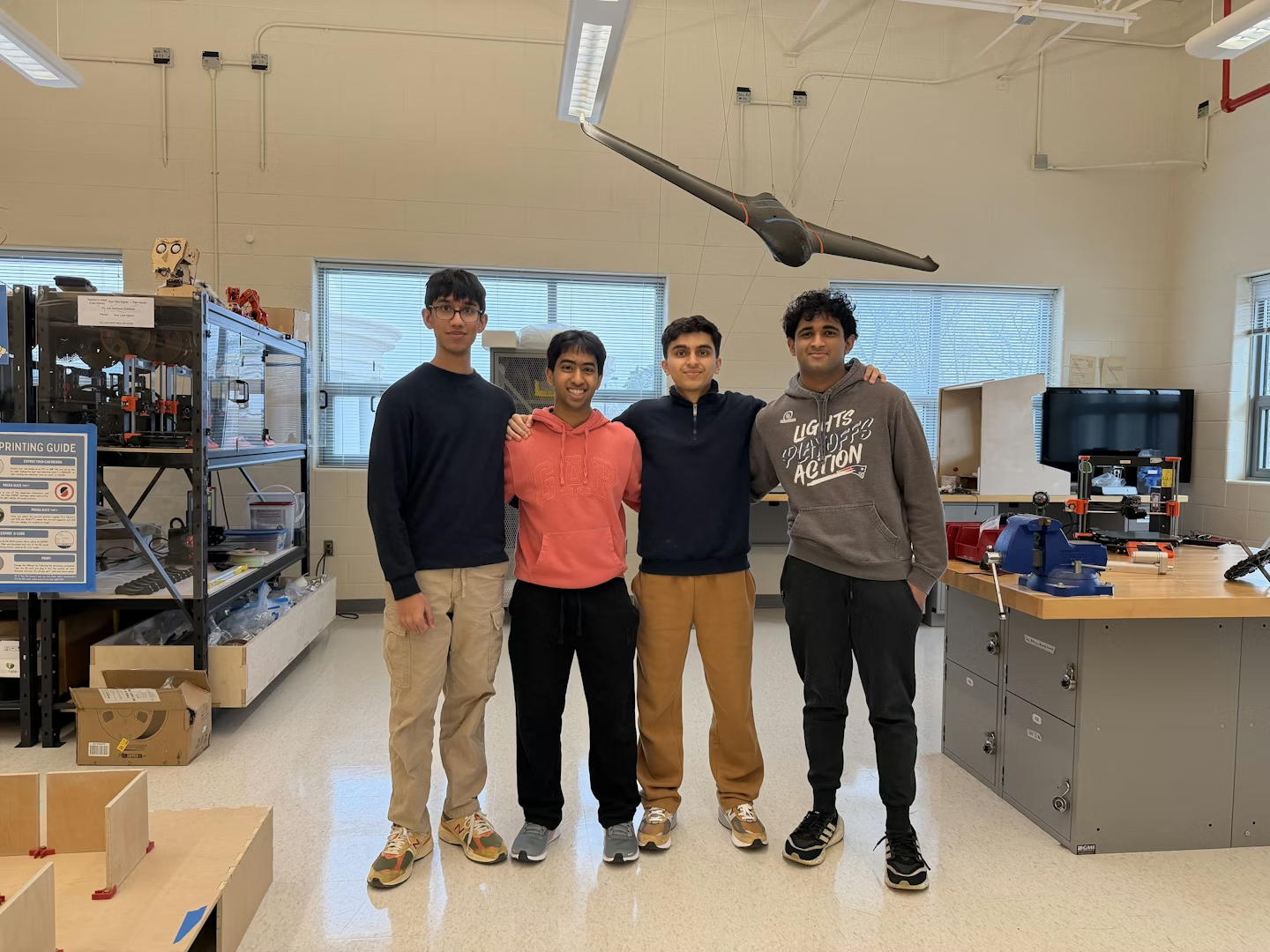
AeroLattice
Virginia, USA
Shiv Davay, Sidh Jaddu,
Svaran Medavarapu, & Parthiv Maddipatla
Coach: Badrish Davay
Commercial aviation faces a hidden crisis known as the HighLift Paradox. The flaps required for landing generate Dirty Drag, which is an aerodynamic penalty. This turbulence compromises safety during emergency goarounds and forces engines to burn excess fuel while creating noise. Enter AeroLattice, the first smart, 3Dprinted titanium flap retrofit. By replacing the inert solid trailing edge with our porous gyroid lattice, our system breathes air to suffocate draginducing vortices before they form. Targeting the 18,000+ Boeing 737 and Airbus A320 fleets, AeroLattice is a B2B retrofit kit designed for routine maintenance installation. By reducing approach noise by 4 dB and lowering landingphase fuel burn, we generate $250,000 in value per aircraft. We transform environmental compliance into profit and unlock a $1.8 billion market by making the global fleet cleaner, quieter, and safer.
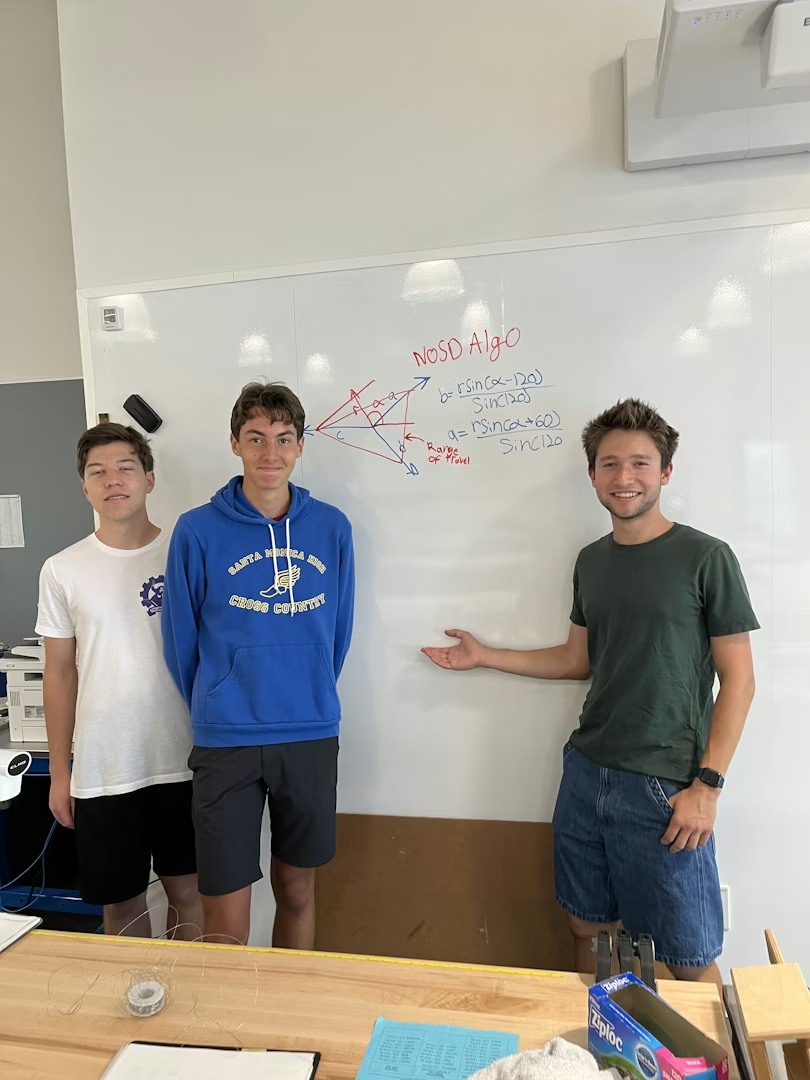
Aphelion
Integrated Multi-axis Ailerons
California, USA
Landon Kummer, Tobin Palmer, & Brandon Kirbyson
Coach: Edward Kummer
In space, every gram and watt matters. The bigger a satellite is, the more propellant it consumes, the larger, and more expensive it must be (one extra kilogram often equates to $25,000 more in launch costs), in addition to diminished range. With the orientation control module often being the heaviest subassembly, its optimization is demanded. Lightweight, power-efficient steering-system actuators for better, low-cost satellites is Aphelion. Aphelion integrates the required multi-axis control in a single actuator by using a novel spherical motor, controlled by our proprietary control algorithm. This is in the place of conventional complex, heavy gimbaled mechanisms. Aphelion’s preliminary prototype achieved 20% less mass, 61.8% volume savings, and a 71% power reduction when compared to current technologies. With a licensing model of an estimated ~$60M per year, Aphelion will provide radically smaller, cost-effective solutions to the $1.7B small satellite-steering market.
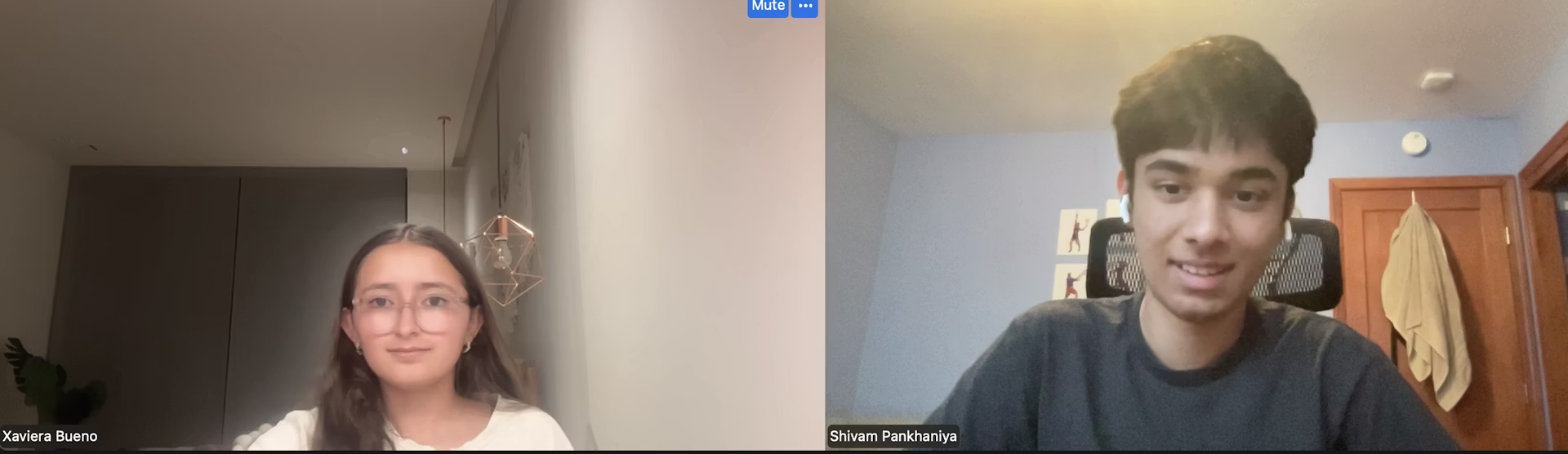
CeliusVorox
SynLayer
California, USA & Ecuador
Shivam Pankhaniya & Xaviera Bueno
Coach: Susan Polise
Space is brutal. Dust slowly builds on surfaces, radiation wears materials down, and impacts damage performance. Together these threats reduce power output, shorten mission lifespans, and can cost operators tens to hundreds of millions per mission. That’s the problem SynLayer was built to solve. SynLayer is a lightweight protective skin for space vehicles that combines dust resistance, self-repair, sensing, and energy support into one multifunctional surface. Instead of relying on separate technologies, SynLayer integrates everything into a single material stack that functions as an interconnected system.SynLayer is priced by surface area at $128,500 per m² with an average cost of $771,500 per satellite. This is less than 1% of the total mission cost and extends mission life by 2-5 years. In a $613 billion space market growing faster through mega-constellations and deep-space missions, SynLayer helps space agencies protect spacecraft longer, launch less often, and support long-duration missions.

Flux Orbit Systems
O.R.B.I.T. — Orbital Reduction
and Braking Inductive Technology
India
Amaay Gupta & Aarnav Kashyape
Coach: Surinder Gupta
Low Earth Orbit is becoming increasingly congested, hence regulators now require satellites to demonstrate reliable end-of-life disposal as a precondition for launch approval, turning post-mission disposal from a best practice into a mandatory subsystem decision. Electrodynamic tethers offer a mass-efficient, propellant-free deorbiting method validated through missions such as TSS-1R, Plasma-Motor-Generator, and YES-2, yet remain rarely adopted. Existing EDTs rely on single-point-releases and healthy spacecraft systems, making them difficult to license or operationally qualify as post-mission disposal systems. O.R.B.I.T. introduces a failure-independent deorbiting architecture: a standalone EDT deployment system removing single-point-activation-failure, separating launch safety from end-of-life execution, and operating independently of host-spacecraft health, allowing deployment even if the host is dead. Delivered as a compact, integrable deorbit module for CubeSats and small satellites, O.R.B.I.T. turns validated EDT physics into an operationally credible and adoption-ready disposal-solution for operators who must now buy compliance in order to fly in a crowded LEO economy.
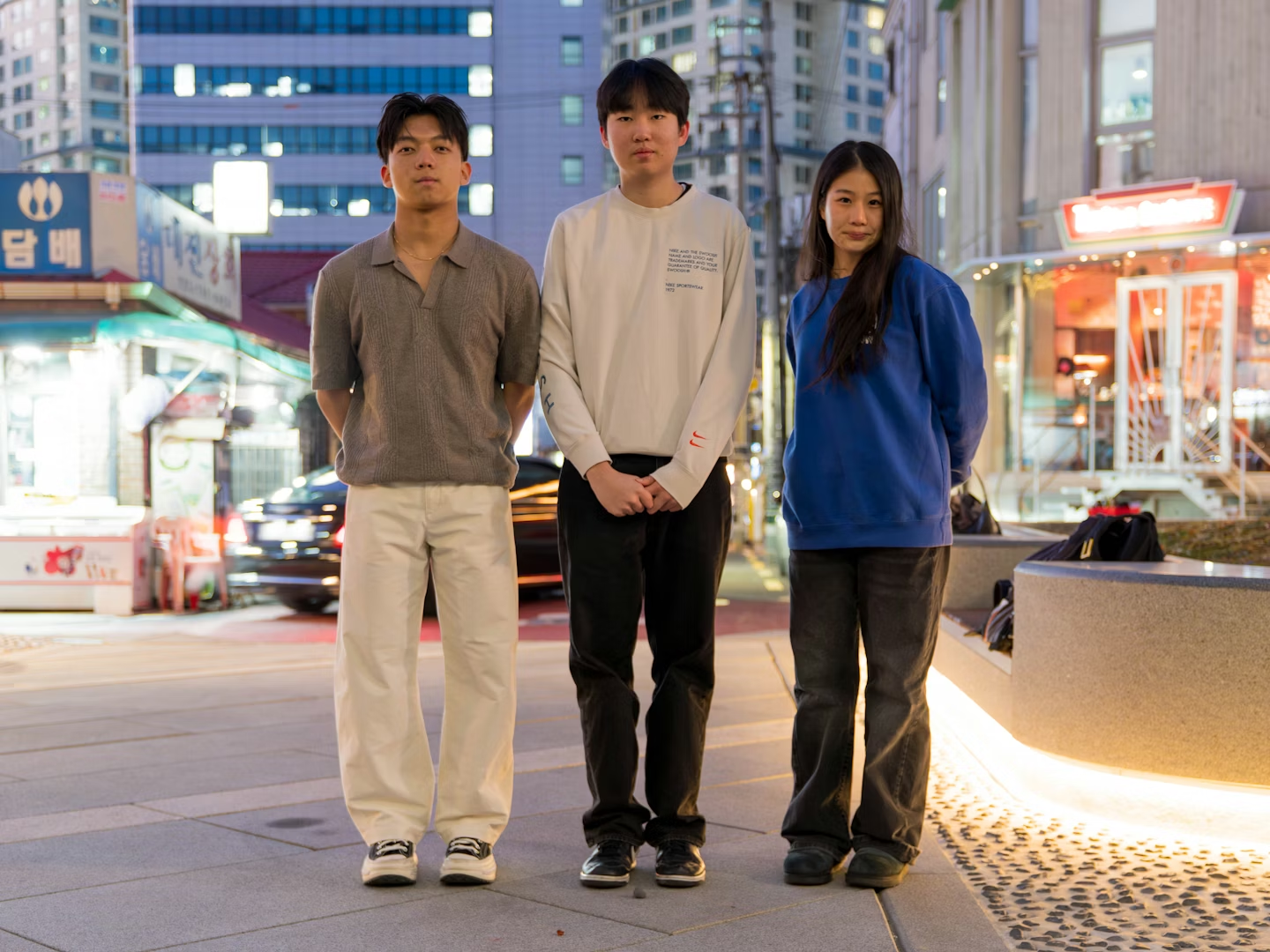
SafeSat
Republic of Korea
Ihan Jin, Ho Son Yang,
& Eugene Wang
Coach: Kurt Amundson
“Orbital debris is the number one threat to spacecraft, satellites, and astronauts” (NASA). Micro space debris (MSD), though too small to detect from Earth, produce significant damage on solar panels. As satellite launches outpace natural de-orbiting, this invisible, unmeasurable threat is an ever-growing concern in LEO that SafeSat addresses. As the first solar array protector for MSD impacts, SafeSat specializes in standardized nanosatellites called CubeSats, which have an accelerating market size. With an aerogel shield, SafeSat captures 3700~5000 MSD particles annually to preserve photovoltaic efficiency. SafeSat stabilizes temperatures as an insulator and mitigates fragmentation by capturing MSD, acting as an all-in-one, life-prolonging CubeSat device. Each SafeSat frame contributes to a previously non-existent dataset of in situ MSD measurements using piezoelectric sensors, offering monetizable insights to researchers and prospective space mission launchers. With a revenue projection of ~$2.7M six years after launch, SafeSat shows promising commercial
Aerospace & Aviation Alternate Finalists:
(Alphabetical Order)
- Altis | Sentinel
- Altura | Air Quality Intelligence System (AQIS)
- ExoNauts | CelestAI
- LEO Technologies | Cassiopeia
- Starseeds | Gaia’s Outpost
Cyber-Technology & Security
DeepTrust
DeepTrust Guardian
California, USA
Vaishnav Anand & Vibha Gali
Coach: Ivan Rodriguez
DeepTrust was built with a single mission: restoring trust in what we see and hear.AI-enabled fraud is accelerating. Deepfakes are now used in real-world scams, yet most detection tools are enterprise-only, analyze audio or video in isolation, work primarily in English, fail under social-media compression, and break when manipulation methods change.DeepTrust is a multi-modal, multi-lingual deepfake detection platform. Its proprietary quad-stream architecture analyzes faces and full frames from independent angles, preserving accuracy even when individual signals fail. Audio detection is validated across languages, and a patent-pending domain-shift framework evaluates performance on unseen, real-world media, including satellite imagery, achieving 95%+ accuracy reported in our IEEE peer-reviewed publications.DeepTrust serves consumers, enterprises, and government agencies. The deepfake detection market is projected to reach $7 billion by 2031. At just 1% penetration, DeepTrust targets $50–70 million in annual revenue.
Echo
Pulse
Illinois, USA
Idhant Ranjan, Atharva Vaze, James Zhou,
Craig De Fiesta, & Jayden Chiou
Coach: Ranjan Bhartiya
In a quiet room in Naperville, Mr. Zhou, an 82-year-old stroke survivor, cries because he cannot say “I love you” to his grandson. He’s not alone. 7.5 million Americans with speech disorders face the same silence. Their brain’s function, but their ailing muscles trap them in their bodies. Current solutions fail them. AAC tablets cost $10,500, forcing users to type at a miserable 10-15 wpm. That’s 10 times slower than natural speech. Brain Implants? $50,000-$100,000, require high-risk neurosurgery, and exclude the majority of patients. Our non-invasive, LLM-powered headset decodes attempted speech directly from facial muscle signals (EMG), converting silence into audible voice, real-time. By leveraging economies of scale, we aim to deliver medical-grade speech restoration for ~$2,500, significantly cheaper than market standards. Our goal isn’t just to restore speech, it’s to restore people’s fundamental right to be heard.
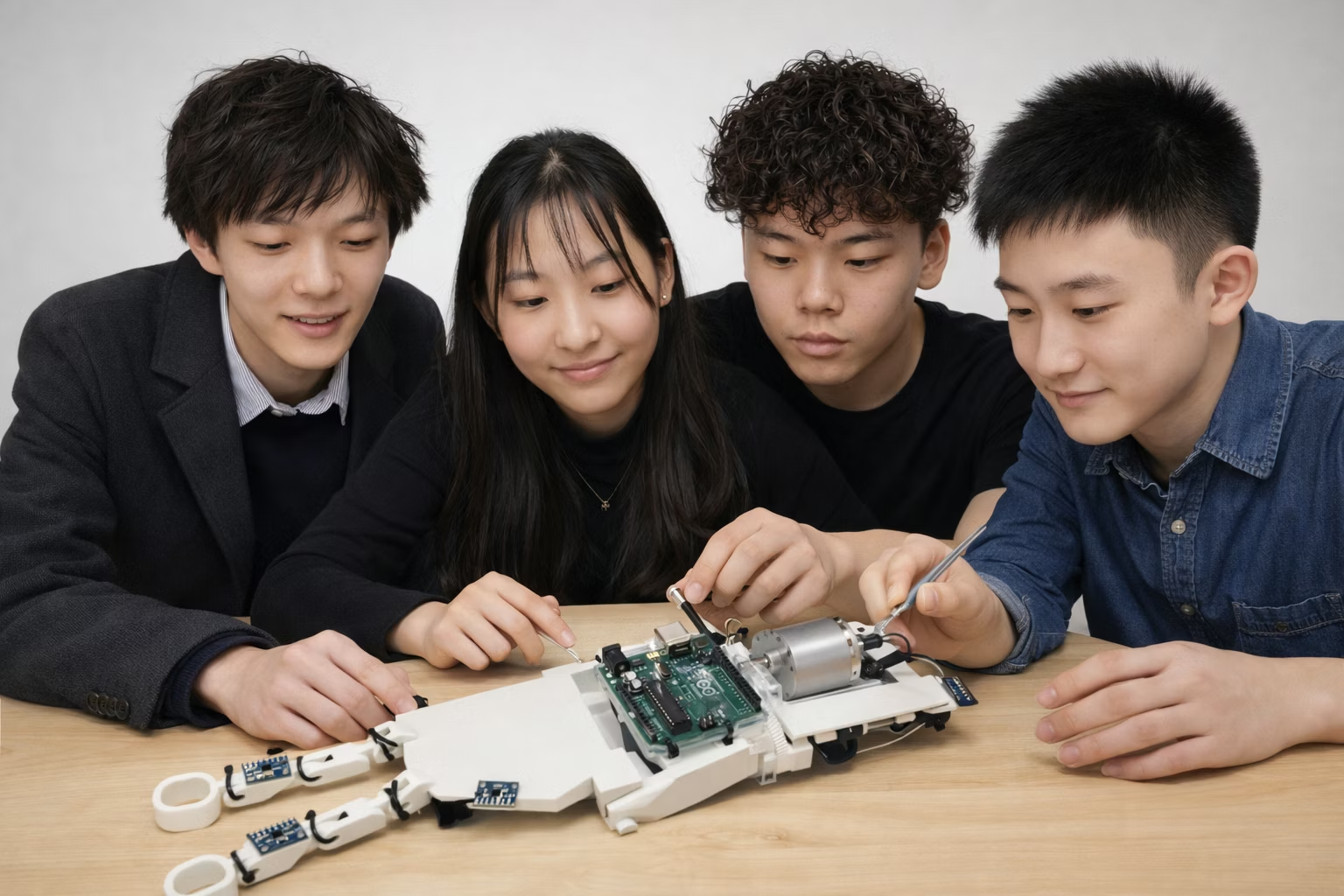
Not Attending Innovation Summit
Robo Therapy
Robotic arm
Massachusetts, USA & New York, USA
Nuoyi Cao, Enze Zhang, Alyssa Gong,
& Chenhao Fu
Coach: Johnny Zhong
Millions of people in the United States experience severe upper-limb tremors that prevent them from performing basic daily tasks such as eating, writing, and dressing. Many existing rehabilitation options are expensive, difficult to access, or require frequent clinical visits, placing a significant burden on patients’ independence and quality of life. Robo Therapy is an affordable, AI-powered robotic support system designed to restore upper-limb control and stability. The wearable exoskeleton stabilizes the user’s arm during everyday activities and reduces tremor impact through personalized, adaptive deep-learning feedback. Designed for individuals with Parkinson’s disease, essential tremor, stroke recovery, injury rehabilitation, and age-related motor decline, Robo Therapy helps users regain confidence and independence outside traditional therapy settings. By combining accessibility, affordability, and adaptive technology, Robo Therapy fills a critical gap in long-term rehabilitation support.
Schoolace
California, USA
Aiden Shankar & David He
Coach: Hari Shankar
Schoolace is a fully deployed, AI-native education platform designed to rewire how schools teach, learn, and operate. Instead of layering AI onto legacy tools, Schoolace embeds intelligence directly into the core infrastructure of instruction, assessment, and academic workflows, making AI a system capability, not a feature. At the heart of the platform is ACE AI, a continuously learning intelligence layer grounded in curriculum-aligned ontologies and validated student knowledge graphs. For teachers, ACE AI acts as an operational co-pilot, automating grading, feedback, lesson creation, and classroom actions, while preserving educator oversight and pedagogical intent. For students, ACE AI functions as a personalized tutor trained on each learner’s academic history, and teacher feedback to deliver real-time support. By unifying long-term learning context with daily classroom workflows, Schoolace reduces teacher workload, improves learning outcomes, and enables scalable personalization, unlocking significant efficiency and a compelling, sustainable business model, in a way traditional systems cannot.
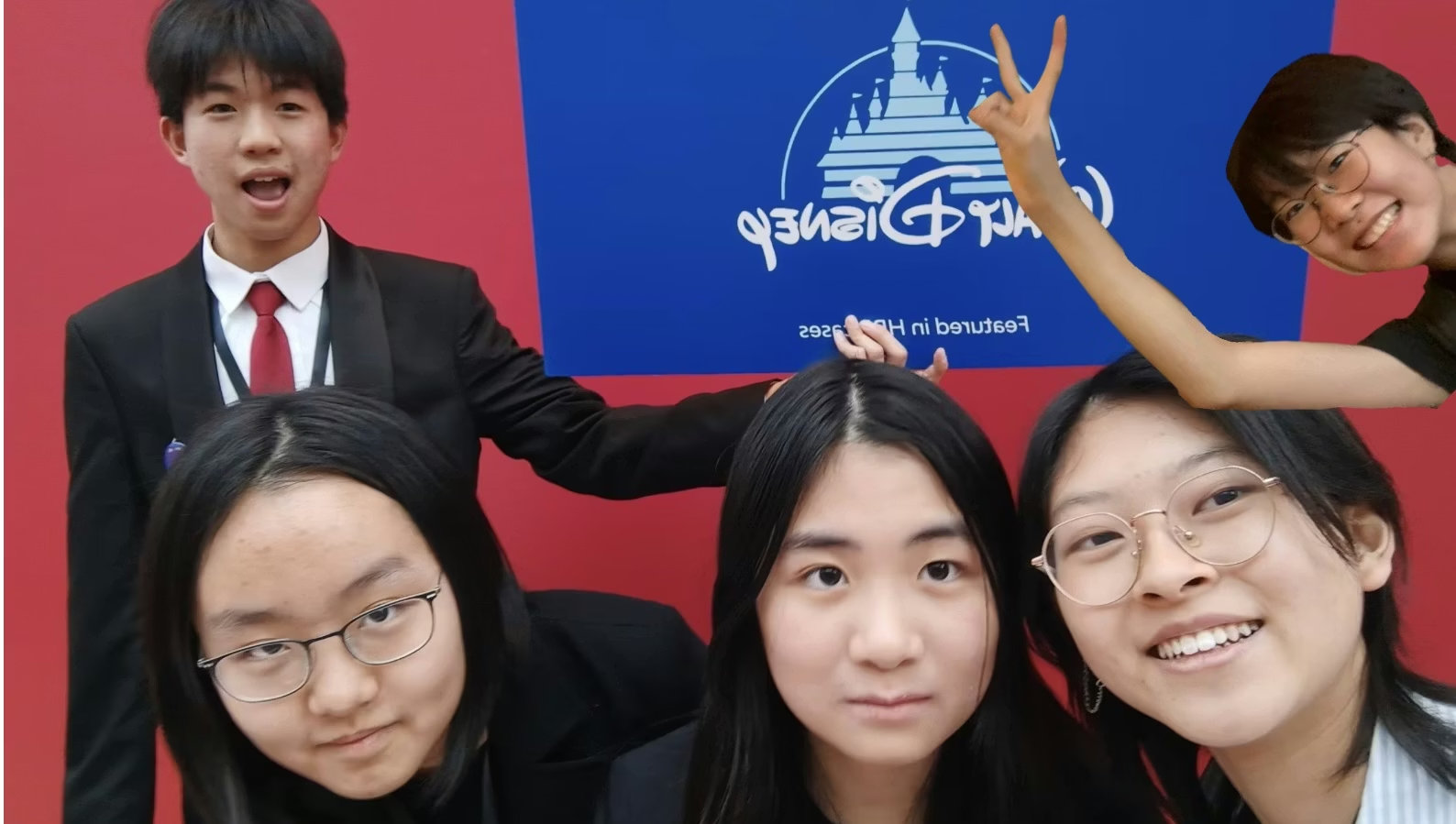
Stolen Shreks
ArtLock
China, Connecticut, USA, & Vermont, USA
Wakaya Yamane, Ethan Xu, Susan Wang, Isabel Lin, & Isabel Feng
Coach: Fiona Ye
Generative AI has fundamentally changed the way pictures are produced. As a result, the price of creativity now also includes owning your creative work as an artist. ArtLock is the return of control to the creative community through a web application which offers artists an opportunity to be ‘AI proof.’ The ArtLock platform protects artists from having their images scraped via artificial intelligence systems that search available images to re-create and use. Upon signing up for the ArtLock platform, artists can have free detection scans to be informed which models are scraping their data. For those artists wanting to have a means of protecting their work, the ArtLock platform has a paid lock service where a special organization blocking, or multi-API layers can be used to secure the artist’s work from being further scraped or trained on. We want to ultimately achieve “Your art, Our lock, and Artists’ rule” slogan.
Cyber-Technology & Security Alternate Finalists:
(Alphabetical Order)
- DiveGuard | AquaComm
- FiberScope- X | AxonGuard
- Lavanya Gupta | TagAlong
- ParkHero | Parker
- Refyn Technologies | AI Conditioner
Energy & Environment

ExFire
Exfire Brick
Massachussets, USA & India
Anhad Kashyap & Zehn Kashyap
Coach: Aashna Saraf
A single electrical spark can wipe out blocks of unplanned houses in minutes. For over 1 billion people living in overcrowded, urban settlements globally, fires are a constant threat, aggravated further by limited access to firefighting services. With ~20% global population at risk, we were inspired to ask: When people can’t depend on external support, can their houses be engineered to fight fires? Our biomimicry inspired innovation, ExFire Brick enables buildings to fight fires autonomously. Each brick contains embedded metal chambers filled with fire-suppressing chemicals. Exposed to heat, ExFire activates within 5–10 seconds, suppressing flames without electricity, water, or external intervention, reducing fire intensity by over 65% in controlled tests. Designed to be affordable, reusable, maintenance-free and integrating seamlessly into existing construction, ExFire reimagines fire safety by embedding protection directly into the built environment. Customers include affordable housing developers and government community housing projects, seeking scalable fire resilient solutions.
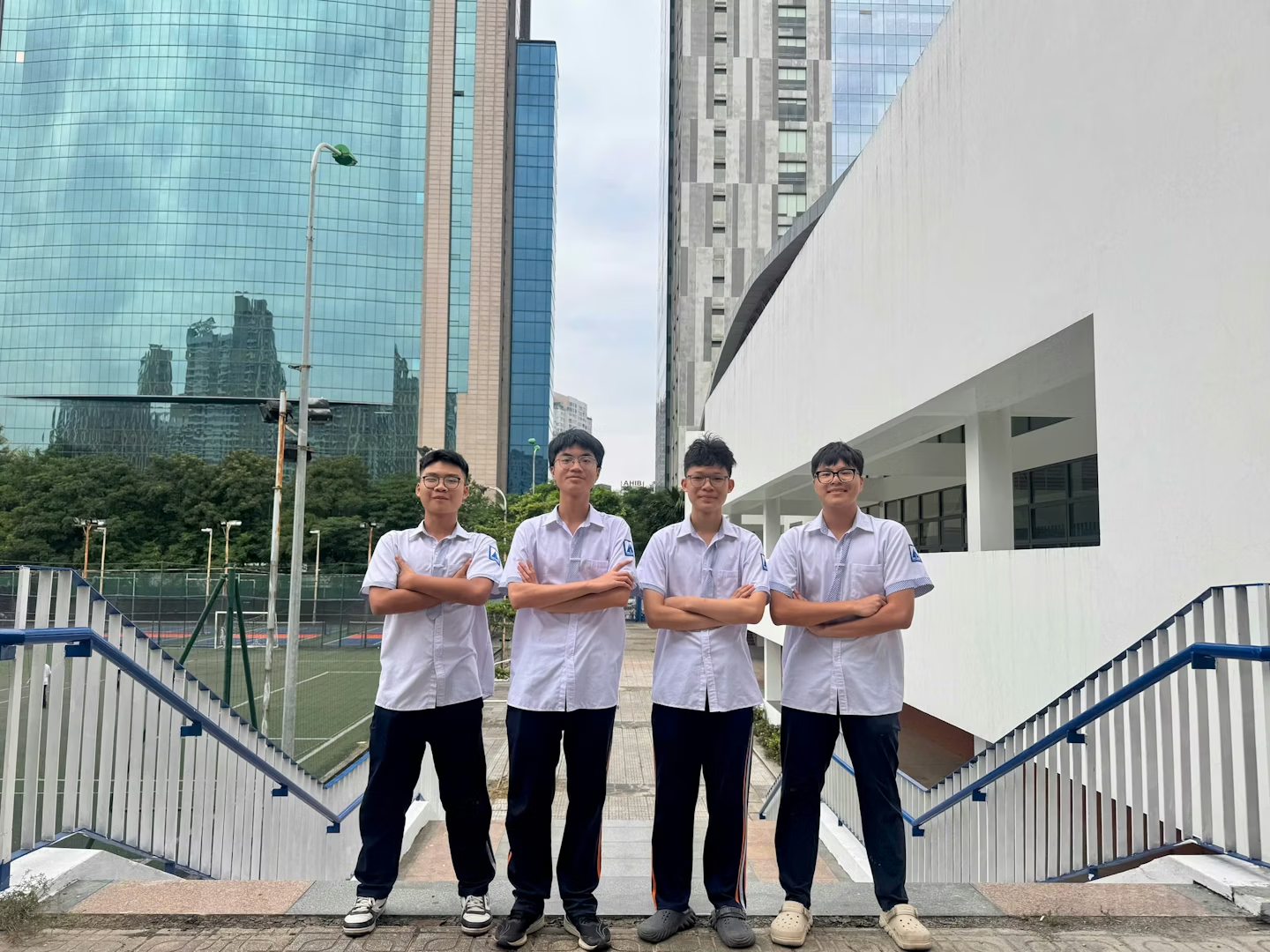
MicroSeek
Ideon
Viet Nam
Quang Minh Tran, Hai Nam Do,
Duc Minh Vu, & Phan Nguyen Phu
Coach: Van Xiem Hoang
According to the United Nations Environment Programme, an estimated 19–23 million tons of plastic waste enter aquatic ecosystems annually, generating vast quantities of microplastics in rivers, lakes, and oceans. Microplastics have been detected in human organs, including the liver, kidneys, and placenta, and the World Health Organization has reported their presence in drinking water, raising serious concerns about health impacts. Some studies estimate that individuals may ingest 39,000–52,000 microplastic particles annually. Our product is an autonomous, AI-integrated robotic system designed to detect and map microplastics directly within aquatic environments in real time. Rather than collecting and transporting samples to laboratories, the system performs on-site analysis using computer vision and optical sensing technologies, linking results to precise geospatial data. Target customers include environmental monitoring agencies, research institutes, water treatment organizations, and sustainability-focused entities. Amid growing demand for reliable environmental data, this solution demonstrates strong potential for deployment and future commercialization.
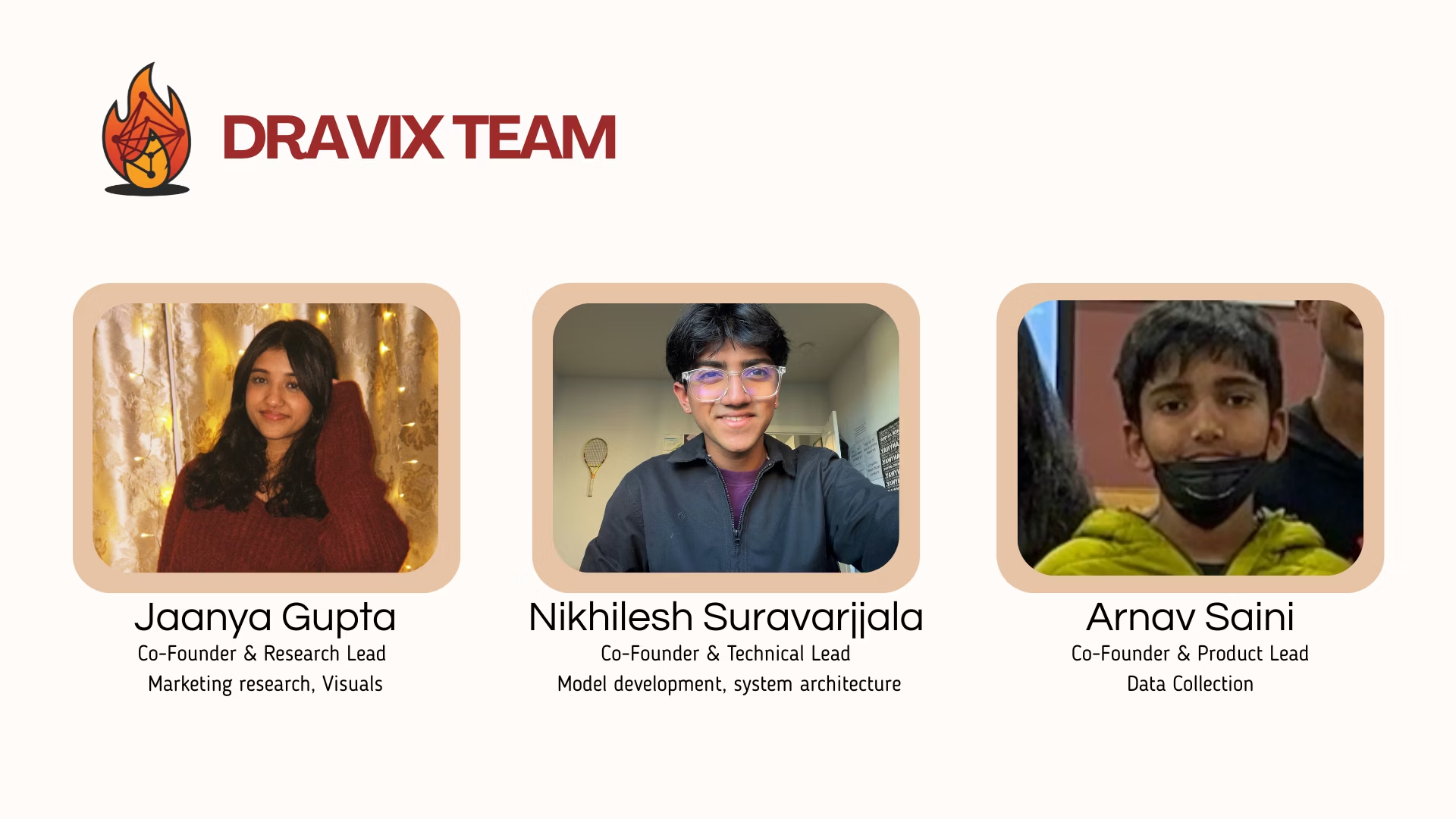
ML in Materials Fire Resistance
Dravix
California, USA
Jaanya Gupta, Nikhilesh Suravarjjala,
& Arnav Saini
Coach: Shalini Suravarjjala
Fire resistance is a non-negotiable requirement in safety-critical industries; however, the way that we evaluate our materials is slow, expensive, and reliant on late-stage physical testing. Engineers often test materials before knowing which candidates are viable, wasting time, effort, and resources. Dravix is an early-stage materials fire-risk screening and prioritization engine. It introduces predictive fire-risk insight upstream in the material development lifecycle, enabling engineers to compare, prioritize, and eliminate candidate materials before committing to physical fire testing. Trained on domain-specific materials data, Dravix uses a machine-learning-based screening model with 92% accuracy to generate relative fire-risk signals mapped to fire-testing concepts. The platform enables engineers to explore formulation changes, such as additives or coatings, through digital “what-if” analysis before prototyping. Delivered as a cloud-based subscription, Dravix reduces unnecessary testing, accelerates safer material development, and helps organizations allocate testing resources efficiently without replacing established standards.
Not Attending Innovation Summit
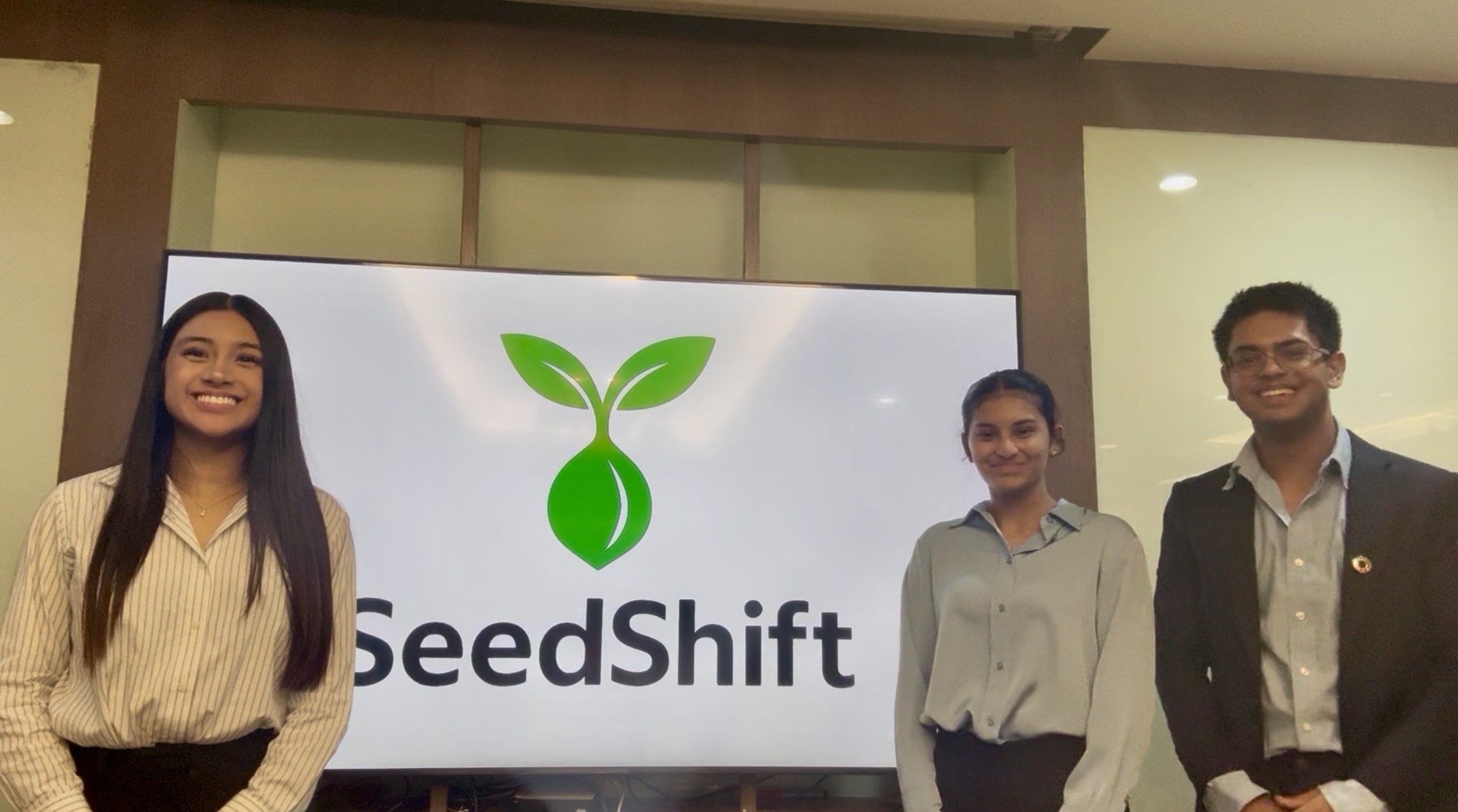
Root and Renew
SeedShift
Thailand
Ritika Yamdagni & Razin Ahmed
Coach: Sam Yamdagni
Out of all the farmers in the world, FAO reports indicate close to 480 million smallholder farms. Around 74% of farms are in Asia, where smallholder farms supply up to 80% of the region’s food (Fanzo, 2017). Yet, many farmers face low yields, mounting debt, and declining wellbeing, while inefficient practices drive high emissions and environmental damage. SeedShift is a locally manufacturable and affordable precision seeder achieving close to 95% planting accuracy without ploughing. Cutting seed waste by 62%, it has the ability to reduce fertilizer use significantly whilst raising marketable yields by 52%, easing fatigue and reducing strain on farmers. At scale, environmentally, it can cut 20-30% of agriculture-related greenhouse gas emissions, strengthen food security, and even reduce water pollution. Priced at $499 with a 1-2 season payback, SeedShift can scale across Asia and Africa in a $20.65B global planting equipment market, starting in Thailand.
Kipos
Substation
New York, USA
Juha Kim & Jaden Pedro
Coach: Joseph Ceriello
Every year, subways move hundreds of billions of passengers while wasting enormous amounts of energy as heat and vibration. Aging networks, like New York City’s 121-year-old system, are impossible to rebuild, yet they continuously hemorrhage energy as cities face rising grid strain and climate mandates. SubStation retrofits existing subway cars with compact hybrid thermoelectric and piezoelectric modules that convert this wasted energy into electricity without disrupting operations. Each module can recover over 900 kWh per year, powering onboard systems and offsetting nearly 20% of auxiliary loads. Our primary customers are public transit agencies seeking to lower operating costs, cut emissions, and reduce grid strain. We enter through direct pilot sales supported by government-funded demonstration programs, then scale through fleet retrofits, manufacturer partnerships, and licensing across a $40+ billion global market of over 200 metro systems worldwide. Don’t Rebuild, Reclaim.
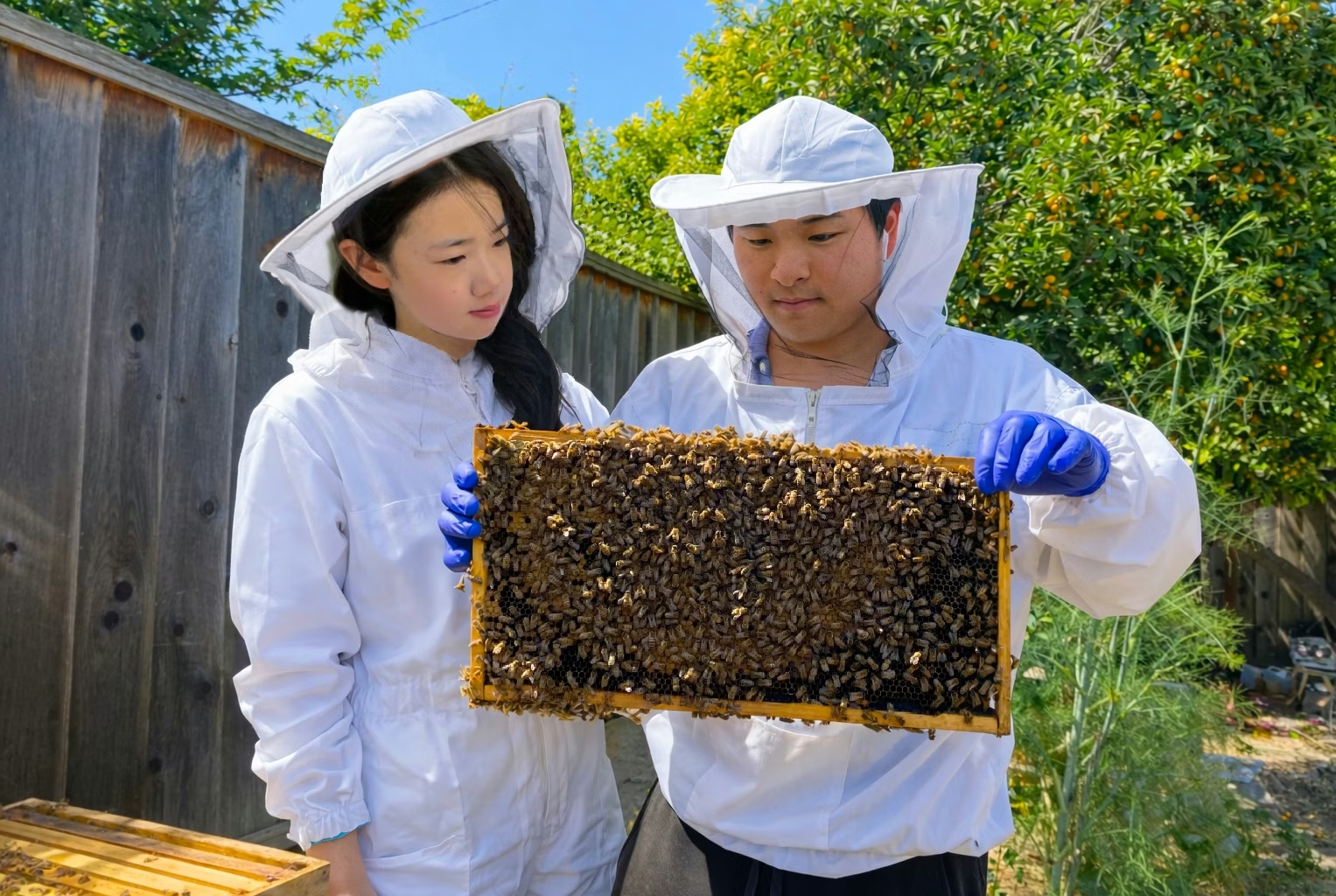
The Bee Initiative
BeeGuard
California, USA & Massachusetts, USA
Ethan Liang & Rory Hu
Coach: Yanin Wu
Without honeybees, one-third of global crops would fail, collapsing a $577 billion agricultural system. Yet beekeepers lose 40% of colonies annually with US losses alone costing $15 billion. Existing solutions are inadequate: manual inspections detect problems too late, while $300+ hardware monitors metrics without diagnosing causes. BeeGuard is the first temporal multimodal AI diagnostic for beehive health. Our web application analyzes videos using computer vision, acoustic analysis, and behavioral tracking to identify varroa mites, queenlessness, and hive robbing with 94.7% accuracy in under one second at zero hardware cost. Field validations across four colonies demonstrate detection weeks before visible symptoms, with 100% intervention success. Serving 10 million beekeepers managing 100 million colonies worldwide, plus agricultural enterprises and pollination brokers, BeeGuard projects $18 million Year 5 revenue through tiered subscriptions and verification services. With a $488 million global market, BeeGuard enables proactive colony health management globally.
Energy & Environment Alternate Finalists:
(Alphabetical Order)
- HARVIS | FlavorMax
- Kipos |SubStation
- PlastiSwarm
- TAM AIR | Sylva
- Wackaging | EcoWax
- WindBenders
Health & Nutrition

Not Attending Innovation Summit
Back Trackers
Back Tracker
India
Ahana Arenja & Riana Arenja
Coach: Janhavi Karande
Back Tracker is a smart posture-monitoring system that combines a wearable sensor strap with an AI-powered mobile app to help prevent and manage back pain. Over 1.7 billion people globally suffer from musculoskeletal conditions, with poor posture being a leading cause. Our wearable tracks spinal alignment in real time, while the app’s AI assesses pain, recommends personalized exercises, and uses visual body tracking and sensor feedback to ensure correct movement. Designed for daily use, Back Tracker empowers individuals to improve posture, supports physiotherapy recovery, and provides clinicians with objective movement data. With a scalable subscription-based app, one-time wearable sales, and clinic partnerships, Back Tracker has clear potential for real-world use and long-term impact while addressing one of the world’s most widespread health challenges.
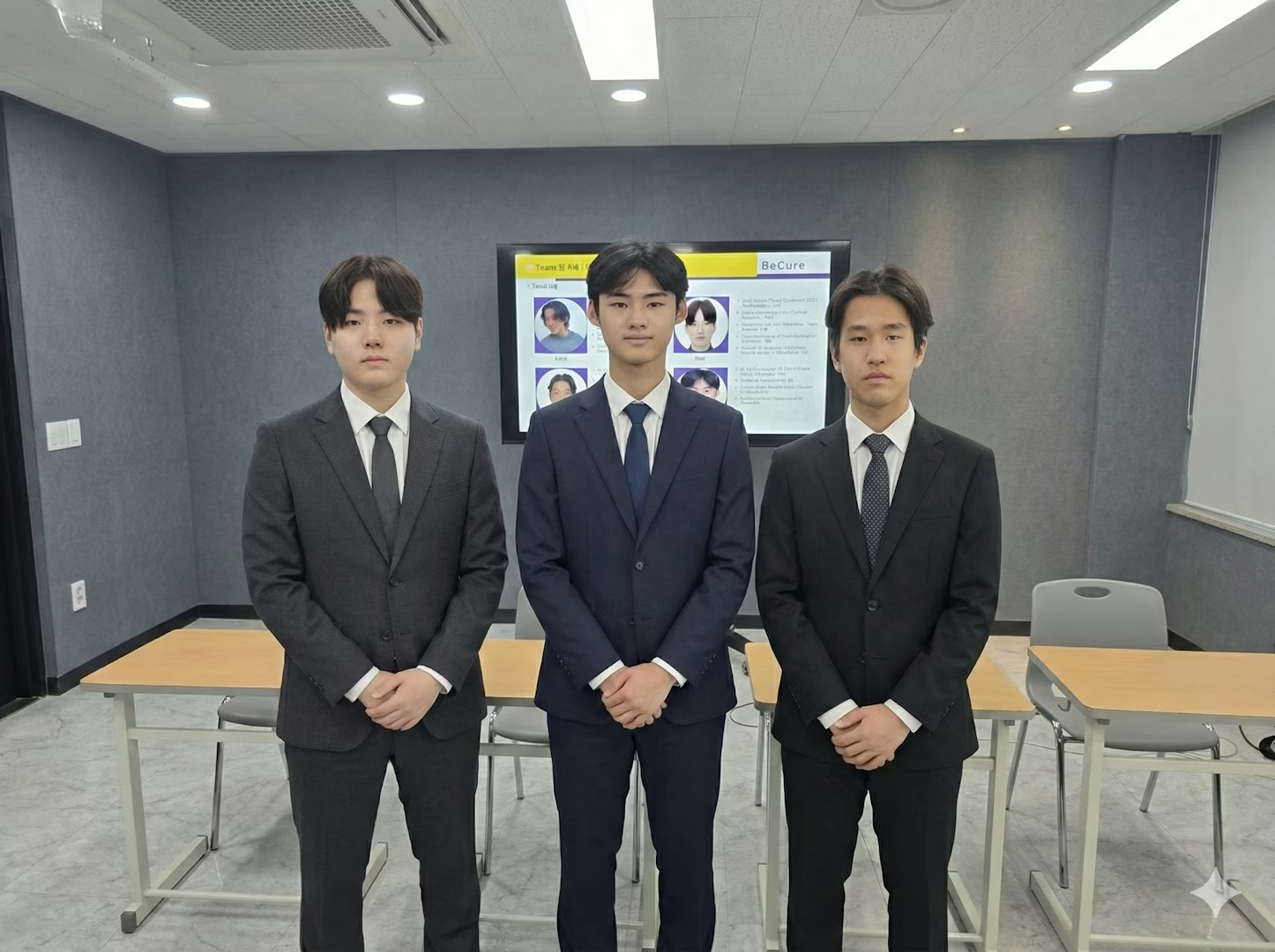
BeCure
California USA, Connecticut, USA,
& Republic of Korea
Taewoo Park, Aiden Lee,
& Sangho Sun
Coach: Daein Yoon
Bees support a third of our food supply, but they are losing a silent war. Parasitic mites like Tropilaelaps are destroying colonies, costing the world $57 billion a year. The problem? Farmers rely on manual checks that miss half the threats. That’s why we built BeCure. It turns any smartphone into an expert diagnostic tool. Instead of just “looking” for mites, our AI analyzes bee behavior—spotting the subtle jitters and stress signals of hidden infestations with 97% accuracy. We didn’t just build this in a lab; we validated it in the fields with the Korean Beekeepers Association. BeCure runs offline on basic phones, meaning a farmer in a remote village gets the same protection as a high-tech apiary. We are acting faster and smarter to save the bees that feed the world.
SENSE
ReTouch
Ukraine
Mykola Draliuk & Mykhailo Draliuk
Coach: Ivan Draliuk
ReTouch restores a usable sense of touch for people who have lost it due to upper-limb amputation or severe hand neuropathy. It uses two wireless wearables: a sensor glove that measures pressure at 16 points across the fingers and palm, and an armband with 16 actuators that press on the user’s intact skin in the same pattern and intensity. This “pressure-to-pressure” mapping lets users feel contact and grip strength without staring at their hand, reducing drops and grip errors. ReTouch fits any prosthetic shaped like a human hand and is designed for all-day use. We target ~700,000 upper-limb amputees and ~20 million severe neuropathy patients per 3-year replacement cycle. Because it is a functional assistive medical device, the payer is typically insurance, Medicare, or government program – granting a broad access to users, while supporting a scalable, reimbursement base business.

So-Ti Matrix
NeuroDance
Michigan, USA & North Carolina, USA
Feiran Yang & Wanqi Huang
Coach: Yi Ren
NeuroDance AI is a brain-computer interface project that allows people with movement disorders to express themselves through dance using their minds. By converting EEG brain signals into real-time digital dance visuals, the system transforms thought and emotion into visible movement. Using portable EEG headbands, signal-processing algorithms, and the Unity game engine, NeuroDance AI creates art-driven rehabilitation experiences for individuals with Parkinson’s disease, cerebral palsy, and paralysis. Traditional rehabilitation can feel repetitive and emotionally discouraging; NeuroDance AI reimagines therapy as a creative and meaningful experience. By encouraging expression and sustained engagement, the project supports neuroplastic interaction while restoring dignity and agency. With 7.5 million Americans living with movement disorders and a $45 billion rehabilitation market, NeuroDance AI offers both social impact and scalable potential.
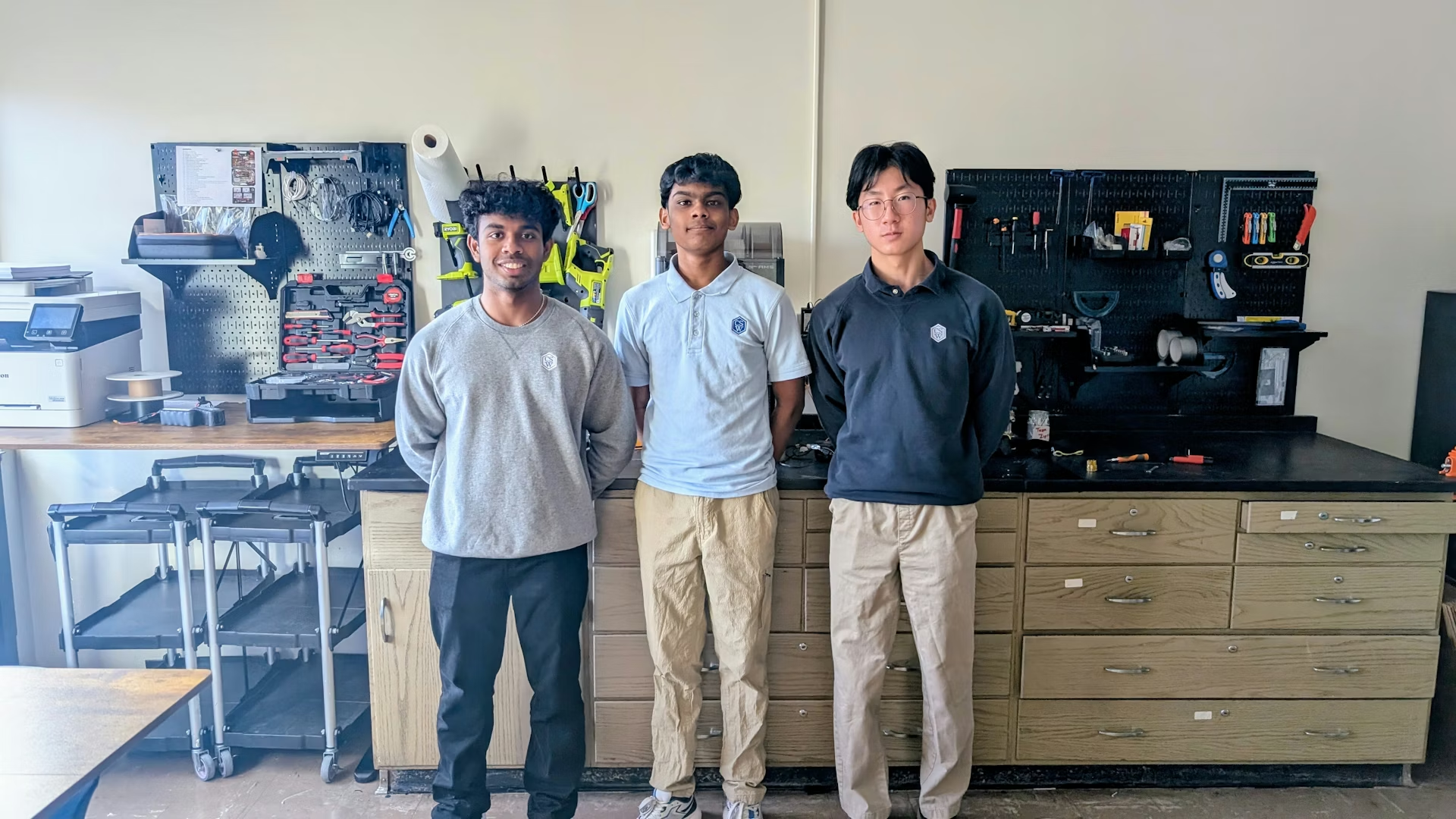
StomaLock Solutions
OstoWatch
Delaware, USA
Satya Kokonda, Surya Mohankumar,
Chris Liu, & Sai Durasala
Coach: Cynthia Tanzer
In the U.S., up to one million people live with an ostomy, with over 100,000 new surgeries each year. This innovation redefines ostomy care by unifying physical protection, early leak detection, and digital health into an affordable, modular system. Our system uses lightweight, impact-absorbing lattices to protect ostomy bags from everyday forces like seatbelts, falls, and bumps, while integrated low-cost biomarker strips continuously monitor for leaks, skin irritation, and early infection signs. Sensors send discreet alerts to a mobile app, enabling early intervention before minor failures become medical emergencies. Primary customers are the 3.8-billion-dollar ostomy user market, especially new post-surgery patients, supported by hospitals, clinics, and ostomy-care providers. The business potential is significant: by offering a low-cost hardware system paired with replaceable sensor cartridges and a subscription-based diagnostic app, we create recurring revenue while improving patient dignity, safety, and quality of life.

The Cartographers
OncoMap
Washington, USA
Anshul Raghav & Krishay Singh
Coach: Eric Holland
Each year, nearly 1.4 million people worldwide suffer from head-and-neck cancer, one of the most aggressive solid tumors that damages a patient’s ability to speak and breathe. Immunotherapy, specifically PD-1 inhibitors, has rapidly grown in its use to treat cancer, especially in head-and-neck cancer. However, the main problem is that head-and-neck tumors have the lowest immunotherapy rate at 15-30%, meaning that clinicians pursue this therapy without knowing its efficacy on the patient, racking up treatment costs beyond $150,000 per patient. To address this gap, we developed OncoMap, a two-stage platform with an RNA sequencing-based ML model for immunotherapy response prediction and a k-nearest-neighbors framework that contextualizes oncogenic features for hyper-personalized treatment. With thousands of hospitals and clinical institutions currently treating cancer, our business plan has a large target demographic, where we would implement our deployable models to be used alongside diagnosis to guide treatment plans.
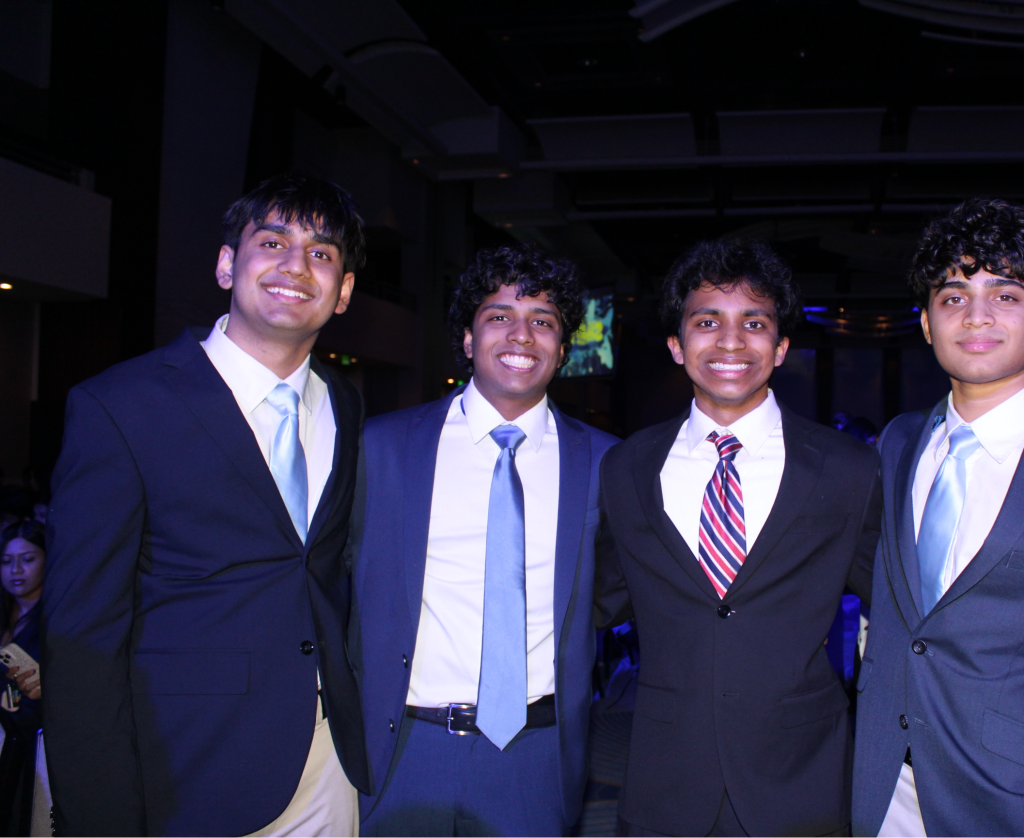
Vigil
Vigil Headband
Georgia, USA
Shaunak Buche, Vishwa Rajan,
Vedant Kalipatnapu, & Vedant Mehta
Coach: Michael Roberts
Vigil is redefining patient safety by bringing affordable, continuous vital-sign monitoring to hospital beds that have traditionally been left unmonitored. Today, most general wards, especially in rural hospitals, nursing homes, and low-resource countries, rely on 4–6 hour spot checks, allowing preventable patient deterioration to go unnoticed. Vigil solves this with a contactless, battery-powered monitoring device paired with an encrypted, online, AI-driven dashboard. Using radar, thermal, and motion sensors, the system continuously tracks heart rate, respiration, temperature, and movement, learning each patient’s baseline and alerting clinicians to early signs of decline. Our solution delivers ICU-level insight at under $100 per bed, without consumables or complex maintenance. Customers include hospitals, NGOs, and senior-care facilities seeking better outcomes, lower ICU transfers, and reduced staff burden. With tiered hardware pricing and recurring software subscriptions, Vigil combines global health impact with a scalable, profitable business model poised for rapid adoption worldwide.
Health & Nutrition Alternate Finalists:
(Alphabetical Order)
- 3D CURE
- Aegis Bio | Kairos
- EarForm Labs | InnovEar
- Lattice
- Minerva | Diaprobe
- NoroSense | Rapid Norovirus Detection Kit
- RS25 Media | Autism Advisor
- Sentinels | MOMitor
- TeamPowerThru | PowerThru
- VocoSense
The Water Challenge
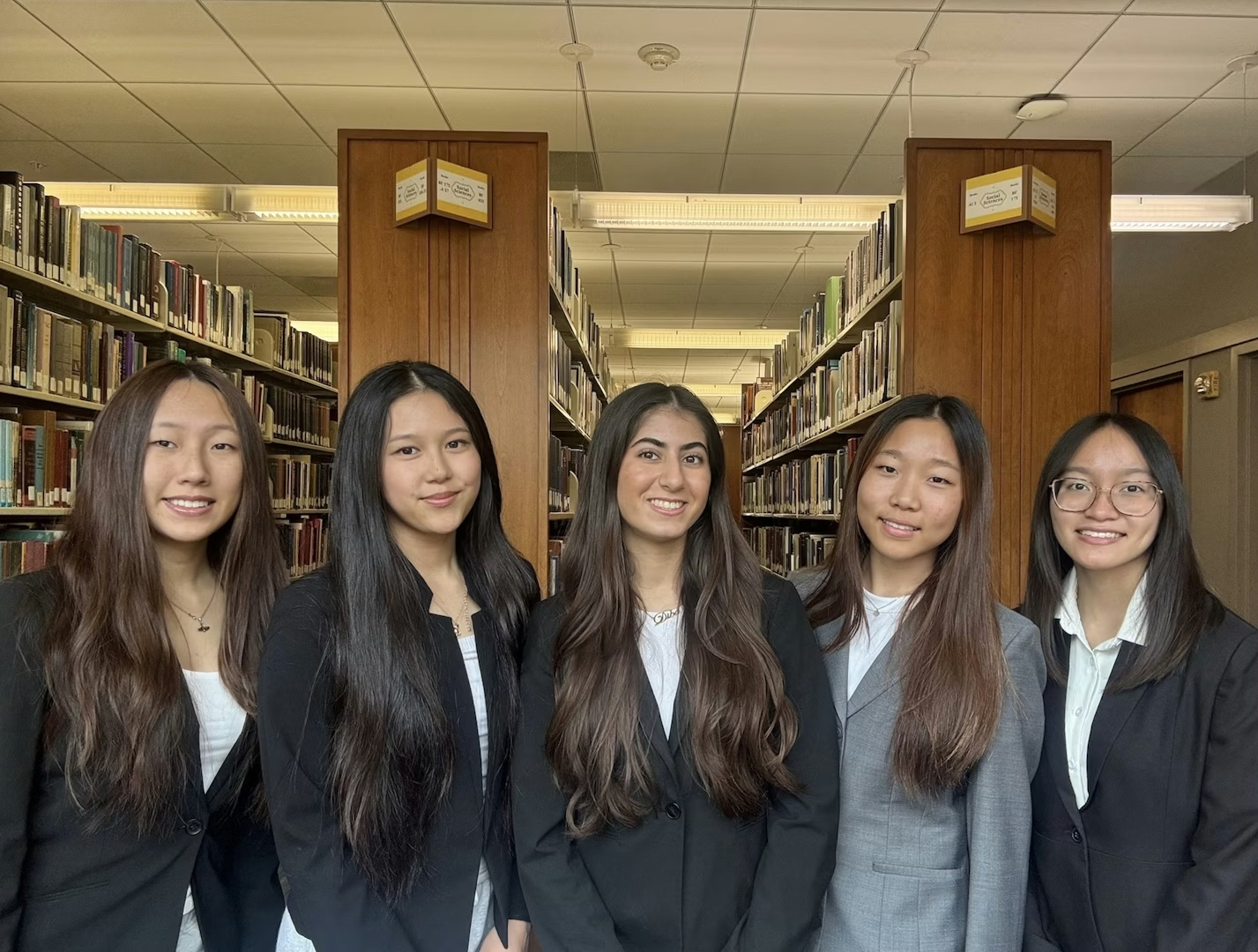
BlueFlow
HydroSpines
California, USA
Diba Sarhangnejad, Claire Yu,
Sidney Sun, Olivia Yu, & Amelia Woo
Coach: Megha Shah
Over 4 billion people experience water scarcity, and 2 billion lack access to safe drinking water. Existing solutions (like Watergen or desalination) depend on electricity or expensive infrastructure, making them ineffective in remote, low-resource, or low-humidity regions where water is needed most. Introducing HydroSpines, a passive, cactus-inspired nano-water harvester that pulls moisture from the air without any energy input. Using TiO2-coated, nano-grooved polylactic acid (PLA) spines modeled after cactus needles, each unit produces around 6-10 liters of filtered water per day using gravity and hydrophilicity. Our customers include outdoor enthusiasts like hikers, retailers like REI and Patagonia, and NGOs such as The Water Project. With the atmospheric water market projected to exceed $6 billion by 2034, HydroSpines plans to capture 10% of that market, enabling steady growth. Our dual-impact model reinvests 7% of profits to deliver units to water-scarce communities, making clean water possible in the world’s most difficult environments.
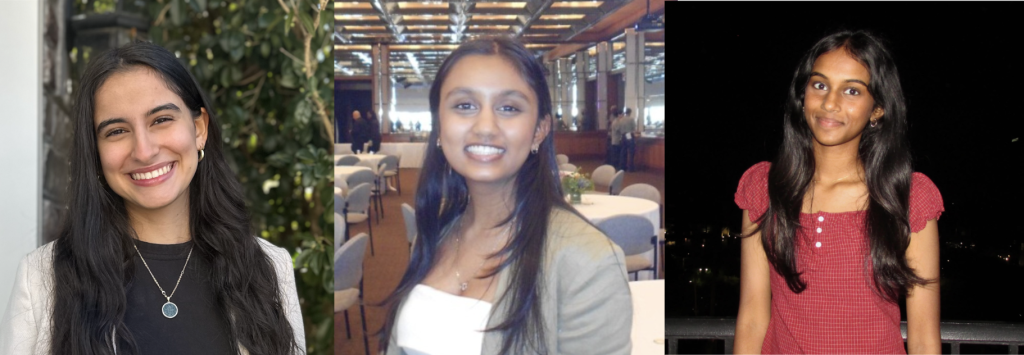
Clarity
Texas, USA & North Carolina, USA
Anushka Polapally, Gaathri Chakka,
& Noga Gercsak
Coach: Naveen Polapally
Every year, your body consumes nearly 52,000 microplastics, catalyzing detrimental health effects. Clarity is the first step towards household and systemic public health safety. Clarity is the first consumer device that is able to detect real-time microplastics in a compact, affordable form under $250, with similar capabilities to $10,000+ lab equipment. Utilizing optical scattering with an AI model trained on diverse plastics, the device constantly monitors the drinking water within households. The device extends beyond just a household protector; it’s a part of building civic infrastructure. By collecting anonymous, crowd-sourced data to be used by researchers, policy makers, and environmental groups, our device assists in implementing effective regulations and mapping contamination for better responses. For the average family, particularly health-conscious ones, this innovation offers transparency into what is actually in their water, so they can take the necessary steps to avoid impurities. See the unseen.

EcoClave Labs
EcoClave
Republic of Korea
Yebin Joh, Connor Seong, & John Byun
Coach: Julie Kim
SteamSavers is a retrofit system that makes hospital steam autoclaves far more efficient without replacing them. Autoclaves are essential for sterilization, but they waste large amounts of water and energy by dumping hot wastewater down the drain and reheating cold water every cycle. SteamSavers solves this by capturing heat from outgoing wastewater and transferring it to incoming water using a passive countercurrent heat-exchange design inspired by biological systems. This reduces both cooling-water waste and electricity demand while keeping sterilization procedures unchanged.Our customers are hospitals, laboratories, and sterilization centers that depend on autoclaves every day and face high utility costs and growing environmental pressure. SteamSavers installs externally, requires no workflow changes, and improves performance immediately.The business opportunity is strong because facilities want lower operating costs without buying new equipment. SteamSavers turns existing infrastructure into a more sustainable, cost-effective system while strengthening healthcare resilience worldwide.
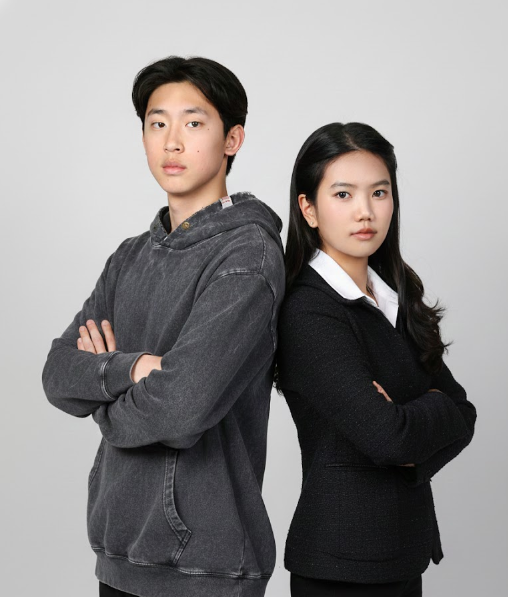
MOF Innovations
AquaMOF
Republic of Korea
Benjamin Wongu Lee & Sena Min
Coach: Junyoung Hwang
AquaMOF is a water security technology utilizing the 2025 Nobel Prize winning metal-organic frameworks (MOFs) to address the global crises of water contamination and scarcity. Our flagship products are a gravity-assisted heavy metal filter and a solar-powered atmospheric harvester, which outperform traditional carbon filters and fog catchers through the use of MOFs that trap toxins or pull water from air.We target the $30 billion water purification market through a hybrid business model: selling high-end “Trek” units to outdoor enthusiasts to subsidize units for humanitarian aid. With a regenerable design and recurring revenue from mineral cartridges, we offer a sustainable solution for 2.2 billion people lacking safe water. We are seeking $150,000 to move to a physical prototype. AquaMOF provides water independence for all people.
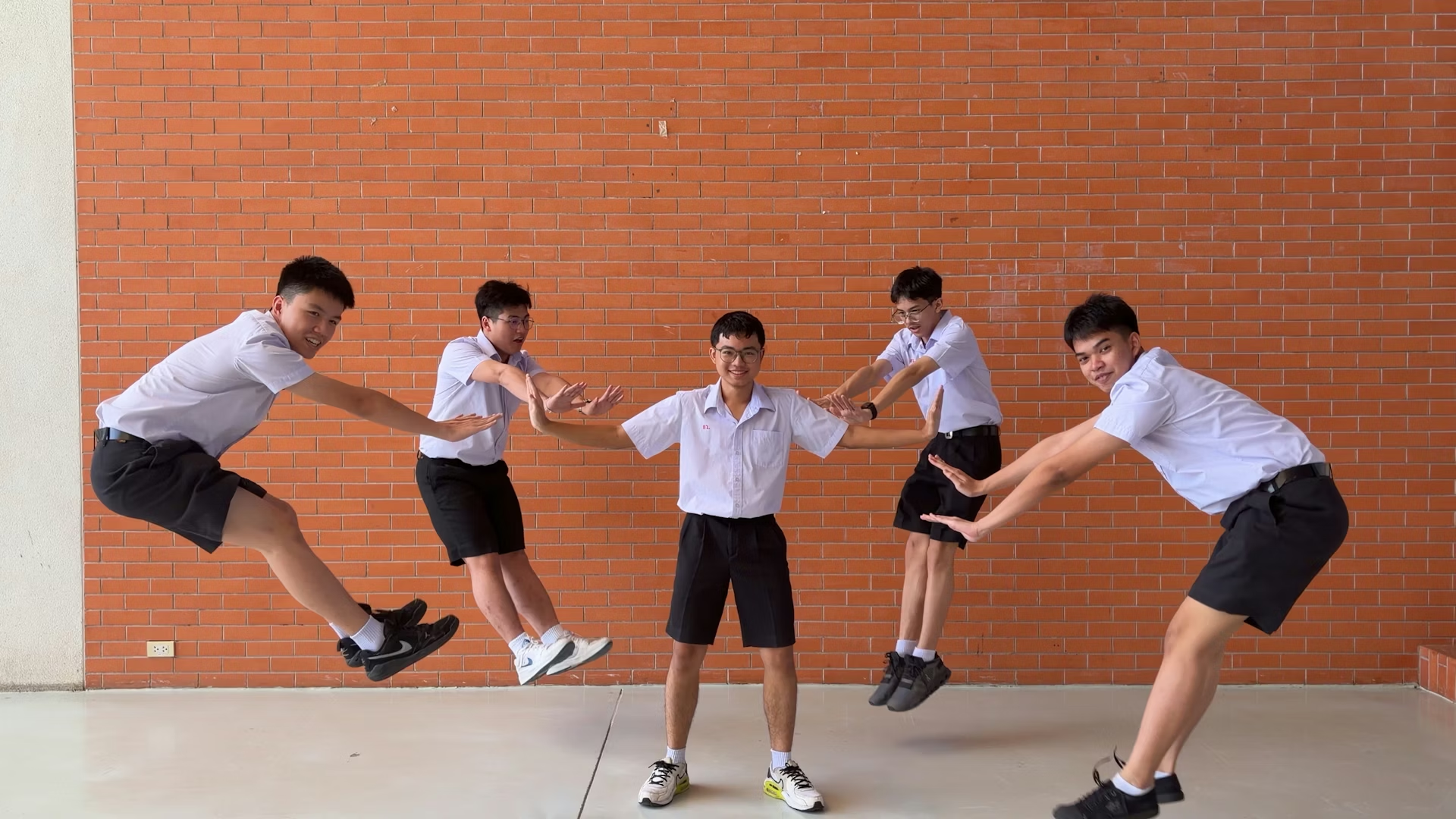
VORTA
GEOOSE
Thailand
Wachirawit Temwiriyakun,
Kantapat Damsrisawat, Nanton Kijpadung,
Teetawat Thipparos, & Pannawit Usaha
Coach: Ukrit Keyen
In 2024, the UN reported that half of global water is “poor quality,” affecting 2.2 billion people and devastating aquaculture industries. VORTA addresses this through GEOOSE, the world’s first fully autonomous water treatment system that doesn’t just monitor problems—it heals them. Using biomimicry, our goose-shaped robots blend into nature. The system utilizes Surveyor robots to map water quality through real-time heat map visualization. When contamination hits “red zones,” an Optimizer robot autonomously deploys patent-pending, SAP-encapsulated treatment capsules. Powered by a 24/7 solar hub, the system requires zero human intervention. Our primary customers, aquaculture operators, currently lose $30,000–$50,000 annually. Through our rental and subscription model, GEOOSE delivers a 3–5× ROI while reducing chemical waste by 60% and slashing operating costs by 70%. At VORTA, we don’t just watch the water—we heal it. We are the autonomous guardians of our planet’s lifeblood.
Water Alternate Finalists:
(Alphabetical Order)
- HYDRAX
- ReFlow
- Sprout!
- Squat Squad | HydroRow Squat Toilet
- The GOats | GreenSurface
China Chapter Finalists
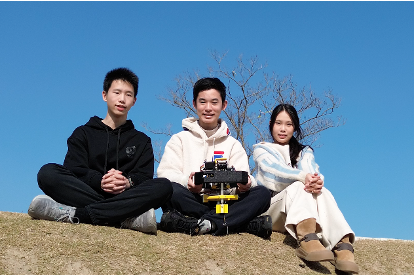
B-ASE
Aerospace & Aviation
Haobo Zhou, Jinxuan Wu,
& Bella Treelertkul
Coach: Xu Wang
Our product is an intelligent inspection robot for space launch towers, based on ducted thrust drive technology, dedicated to providing automated high-altitude operation and maintenance services in extreme environments such as space launch towers. Traditional manual inspection methods are dangerous and inefficient, while conventional maintenance equipment cannot adapt to extreme working conditions such as wet, slippery, or oily environments, often leading to slipping and secondary damage. In contrast, our robot achieves stable climbing and operation with zero friction, completing inspection tasks without damaging the steel structures. After establishing a prototype, we made attempts to gain an overview of the market and to obtain a greater market share. Unanimously, by applying a business-to-business commercial relationship, our company will have early adopters focusing on small-scale companies, expanding further by emphasizing the functionality. Through controlling costs, our product is also shown to have great potential in gaining a considerable profit.
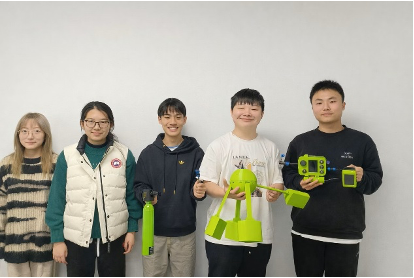
DiveGuard
DG-01
Cyber-Technology & Security
Hao Ting Lyu, Qing Ying Cao,
Bai Xuan Ye, Yuanhao Zhang, & Jia An Pan
Coach: Zhi Heng Dong
DiveGuard is a cost-effective underwater short-message communication system for recreational divers, underwater workers, and marine operators. It addresses a critical safety gap in underwater activities—the inability to communicate, coordinate, or send emergency signals due to the failure of radio transmission in water [R3].Unlike traditional dive computers or standalone logging devices, DiveGuard uses low-cost underwater acoustic communication to enable real-time, text-level messaging between divers and surface teams, improving situational awareness and emergency response in low-visibility, zero-network, or high-risk environments. The market opportunity is substantial. The global dive tourism market (TAM) is approximately USD 12.4 billion, with smart diving devices representing a USD 216 million SAM. DiveGuard’s initial focus on Southeast Asia defines a USD 6.48 million SOM. With growing diver participation and industry digitalization, DiveGuard is positioned as a scalable and affordable underwater safety standard.
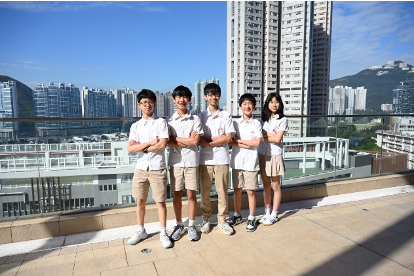
OctoScope
Energy & Environment
Shou Jeng Chan, Max Au-Yeung, Lucas Wong,
Caden Wong, & Season Lam
Coach: Kenneth Tang
Large shipping canals like the Suez can generate US$10 billion annually, yet a single disruption can cripple economies. An accident during 2021 caused a 6-day blockage in the vital waterway connecting Europe and Asia, leading to billions to be lost upon multiple institutions, blocking trade routes. Detrimental incidents like these can occur every few years. Fortunately, we have a solution. The OctoScope is an all-in-one, flexible solution to canal monitoring. We provide a multitude of services, including extensive canal monitoring and debris removal. Compared to current alternatives that rely on fixed infrastructure, we offer no gaps surveillance, providing underwater visibility whilst staying versatile and cost-effective. This minimizes canal blockages, driving global shipping efficiency and prosperity. Canal authorities, shipping and insurance companies rely on these waterways, creating a broad customer base. We estimate a positive net income in our infant year, increasing to US$14M with a ROI of 61% by 2035.
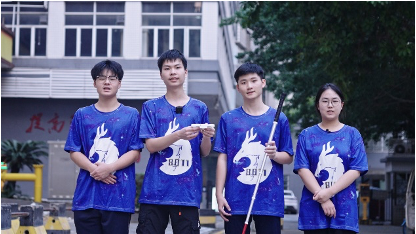
VisionBridge
Health & Nutrition
Ziji Hu, Jizheng Li, Tianyi He,
& Yufei Liu
Coach: Warisi Mijieti
Visually impaired individuals have a strong desire to perceive the world in the same way as sighted people. However, existing visual assistive tools suffer from functional limitations and high costs, making them unable to meet the demand for a high-quality life. So, we have developed the VisionBridge, which consists of AIVision for real-time environmental perception and AIBridge, an active obstacle-avoidance device. The system also supports text interpretation and personalized voice interaction. We have applied for one software copyright for the server-side interface design of the glasses. Meanwhile, we are in the process of applying for one utility model patent for the momentum-wheel-driven blind guidance cane system. Core target customers include visually impaired individuals, as well as institutional clients such as schools for the blind, federations for persons with disabilities, and elderly care facilities. In the future, we plan to expand into daily assistive scenarios for the elderly with low vision.
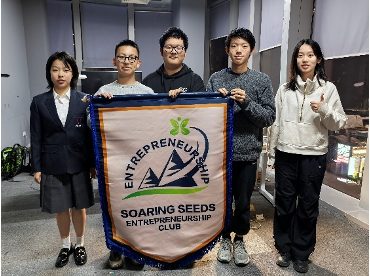
Soaring Seeds
Smart Backwashing Safe Water
System for Plateau Pastoral Areas
The Water Challenge
Xiaotong Mi, Yi Yi, Jingyi Qian,
Zhihan Dong, & Muyan Li
Coach: Jianya Gu
Our innovation targets the core issue of the persistent “safe water gap” in the western plateau pastoral regions of China to serve millions of nomadic households. Through four consecutive years of field-based philanthropic work since 2021, we observed that herders at remote summer grazing sites, lacking basic infrastructure, are forced to consume untreated surface water with high turbidity and contaminants. Existing alternatives are ineffective: household purifiers require stable electricity and tap water, while portable outdoor products fail under sustained high turbidity (filters clog within days) and often risk damage from freezing residual water. Our product is the first solution designed specifically for this context. Centered around a granted utility model patent, it achieves “one-button, dual-action” smart backwashing and complete pipeline drainage, simultaneously solving the key challenges of water purification in high-altitude pastoral areas: filter clogging, secondary contamination, and freeze damage.